Cupping benefitsWhat the research actually says, and what it doesn’t.
Cupping has a loyal following and a thin evidence base. Here’s an honest read of the systematic reviews: where cupping may help, where the claims outrun the science, and how it fits into a massage at Rocking Calm.

Nicole Fry, LMT · Rocking Calm Body Therapy
Updated · 9 min read
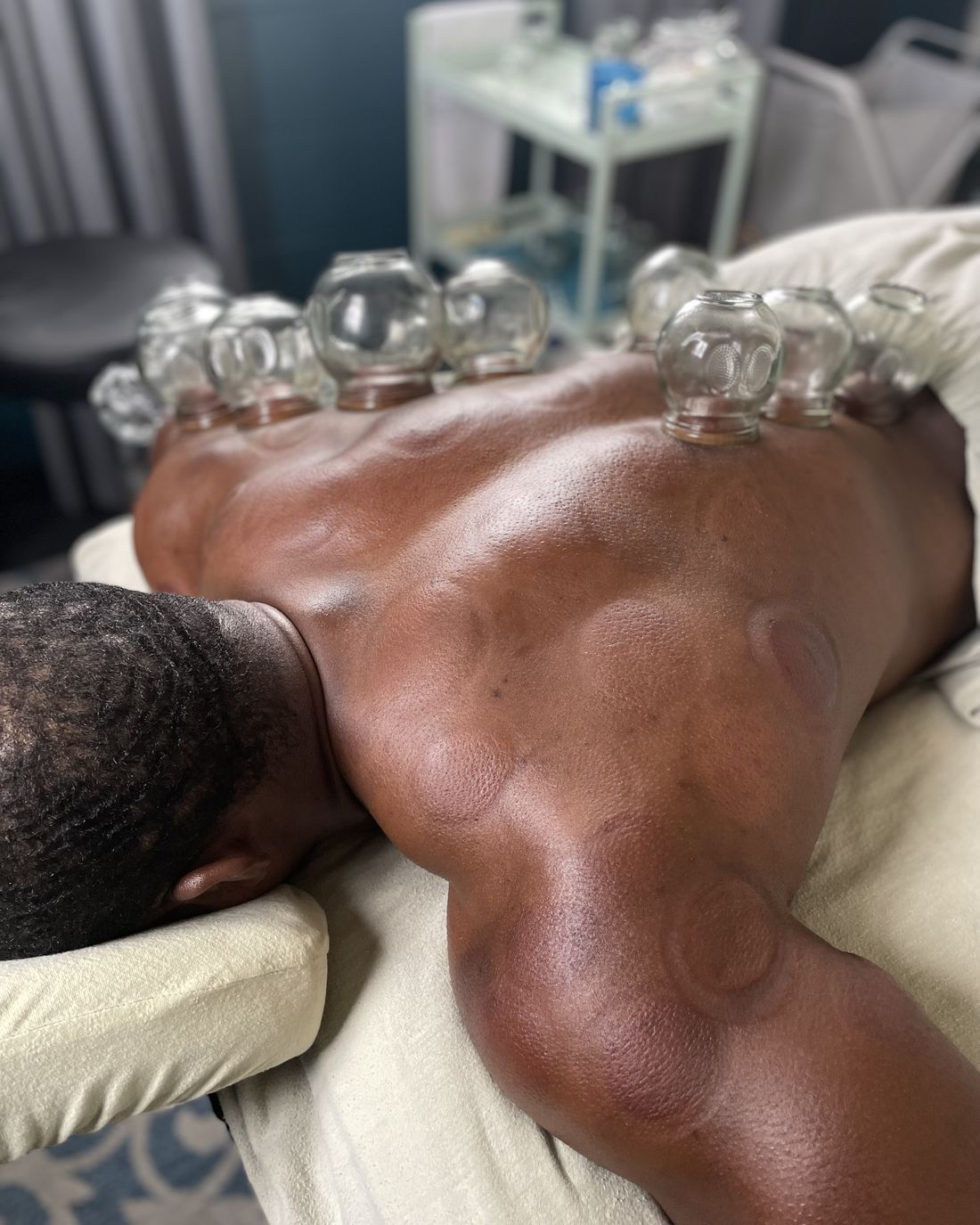
What are the benefits of cupping?
The cupping benefits that hold up in research are narrower than the internet suggests: some pain relief, studied mostly in neck and low back pain, in trials that are often small and flawed.3,4 NCCIH, the NIH’s center for complementary health research, sums up the field this way: there’s been some research on cupping, but most of it is low quality.1
That doesn’t make cupping a gimmick. Cleveland Clinic’s summary of what people report reads like a wish list: less pain and inflammation, looser muscles, better circulation and more range of motion.2 Those experiences are real. The useful question is how much of that holds up when cupping gets a fair test.
Here’s the scorecard on cupping therapy benefits from systematic reviews, the studies that pool many trials and grade how far to trust them.
| Claimed benefit | What reviews found | Strength of evidence |
|---|---|---|
| Neck pain relief | Less pain than no treatment or other treatments, and better function3,4 | Low (moderate for function) |
| Low back pain relief | Less pain with dry cupping4 | Low |
| More than a placebo | Very uncertain when compared with fake cupping5 | Very low |
| Athletic recovery | Promising reports, mostly against no treatment6 | Too weak to recommend either way |
| Detox, immunity, other conditions | Not enough good research to draw conclusions1,5 | Not established |
Does cupping work for neck pain?
Neck pain is one of the better-studied uses. A 2018 review in BMJ Open pooled 18 randomized trials and found that cupping reduced neck pain compared with no treatment and compared with other active treatments. Adding cupping to another treatment also reduced pain more than that treatment alone.3
Then comes the fine print. The authors rated the evidence low quality and said definitive conclusions couldn’t be drawn, and none of the trials was designed to test for a placebo effect.3 A 2020 meta-analysis of dry cupping, the category fire cupping belongs to, landed in a similar place: low-quality evidence for less neck pain, and moderate-quality evidence for better function in people with chronic neck pain.2,4
Does cupping help lower back pain?
It may. The same 2020 review found less pain with dry cupping in people with nonspecific low back pain, meaning back pain without one clear identified cause. Again, the evidence was rated low quality.4
What nobody can tell you yet is how long any relief lasts. The reviewers called for bigger trials with long-term follow-up,4 and in a 2026 review of placebo-controlled trials, the one trial that checked back at six months found no clear difference between real and fake cupping.5 If cupping helps your back, expect it to work more like regular upkeep than a one-and-done.
Is cupping just a placebo?
Nobody knows yet, and that’s the biggest caveat in this article. Many cupping trials compare it with no treatment at all, which likely overestimates the effect because it lumps in placebo and other nonspecific effects.5
A 2026 review in JOSPT Open gathered the trials that did it the hard way, comparing real dry cupping with placebo cupping: cups with a hole that lets the suction escape. Across five trials and 281 people, the effect on pain was very uncertain at every time point, and the authors suggested trying treatments with stronger evidence first.5
Faking cupping convincingly is hard, too. Only two of those trials checked whether people could tell which cups they got, and only one kept them guessing.5 Uncertain isn’t the same as useless. It means “may help” is the honest promise, and it’s the only one you’ll hear at Rocking Calm.
Is cupping good for athletes?
Athletes helped bring cupping back into fashion, but the research on them is thin.6 A 2018 review found 11 trials with 498 athletes, from swimmers and gymnasts to soccer and handball players. The trials reported less pain and disability, more range of motion and lower creatine kinase, a marker of muscle damage.6
The catch: most of those comparisons were with athletes who got nothing at all, most trials were at an unclear or high risk of bias, and not one reported on safety. The reviewers’ verdict was that the evidence couldn’t support a recommendation in either direction.6
If you train, here’s the practical read. Cupping is a recovery tool some athletes like, not a performance booster with proof behind it. That’s why at Rocking Calm it’s one option inside a sports massage, next to assisted stretching and muscle scraping, not the whole plan.
Curious how it feels?A 45-minute fire cupping session is $95.
Which cupping benefits are unproven?
Most of them. A 2026 review listed what dry cupping is purported to do: ease musculoskeletal pain, improve circulation and immune responses, detoxify blood and calm inflammation.5 Of those, only pain has a real body of trials behind it, and NCCIH says there isn’t enough high-quality research to reach conclusions about other conditions.1
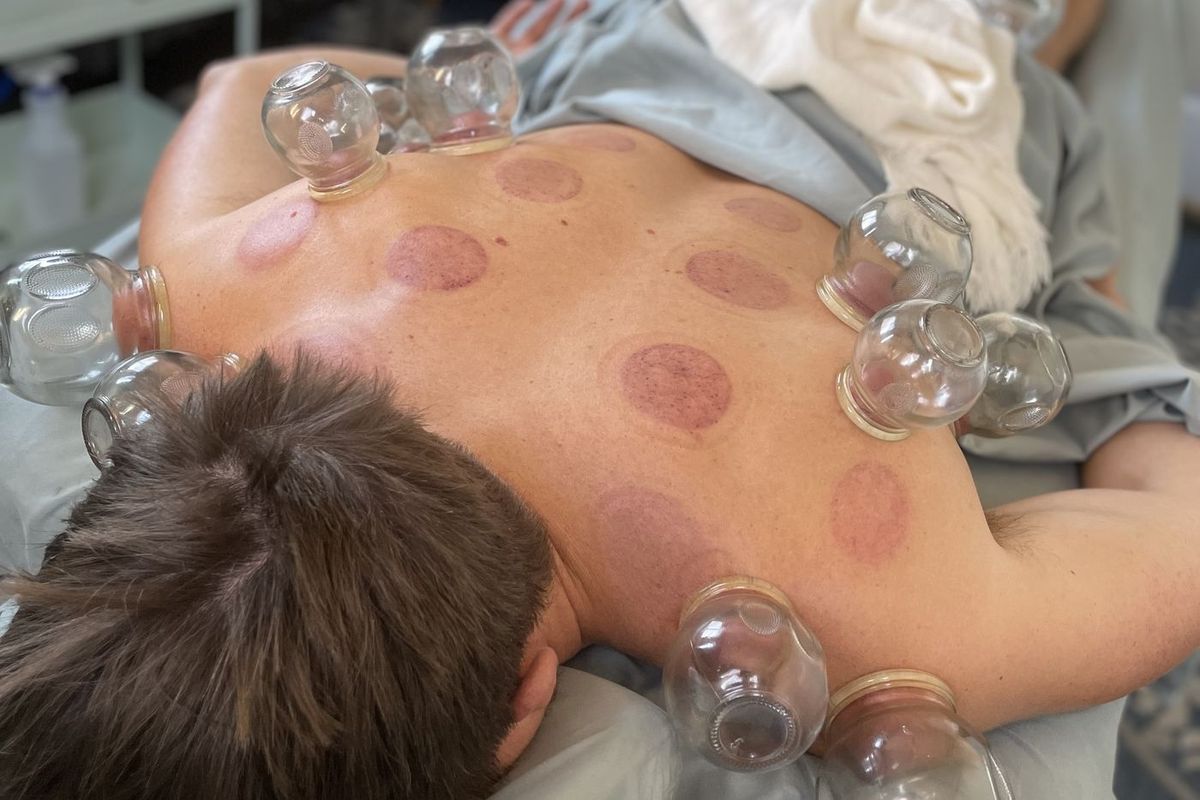
- Detox. Some people believe cupping releases toxins.2 We found no good research showing that it does. The marks come from tiny blood vessels breaking under the skin, not from anything leaving your body.2
- Immunity. “Boosts your immune system” gets repeated a lot. In the research, it’s listed as a claim, not a finding.5
- Headaches, blood pressure and the rest. People turn to cupping for a long list of problems, from headaches and migraines to digestive issues and high blood pressure.2 That’s a list of uses, not of proven results.1
- “Breaking up” knots or scar tissue. That’s how practitioners often describe what they’re aiming for. It isn’t a measured result, and researchers still don’t know how cupping relieves pain.5
If anyone promises you one of these, ask to see the study.
How does cupping work?
The mechanical part is the easy bit. Negative pressure lifts the skin, and some of the smallest blood vessels beneath it rupture, leaving the familiar circles.2 Why any of that would ease pain is still an open question, and researchers have floated several ideas:
- Blood flow. One line of research points to changes in blood flow and oxygen levels in the muscle under the cups.3
- Pain signals. A strong sensation in one spot may turn down how loudly pain registers elsewhere, a process called diffuse noxious inhibitory control.3
- Relaxation. Cleveland Clinic lists whole-body relaxation and a higher pain threshold among the things cupping might do.2
- Expectation. With the mechanism unknown, some of the relief may be a placebo effect, which is what placebo-controlled trials are built to measure.5
None of these is proven. The 2026 review states plainly that the mechanisms are currently unknown.5 Anyone who tells you exactly how cupping works is guessing with confidence.
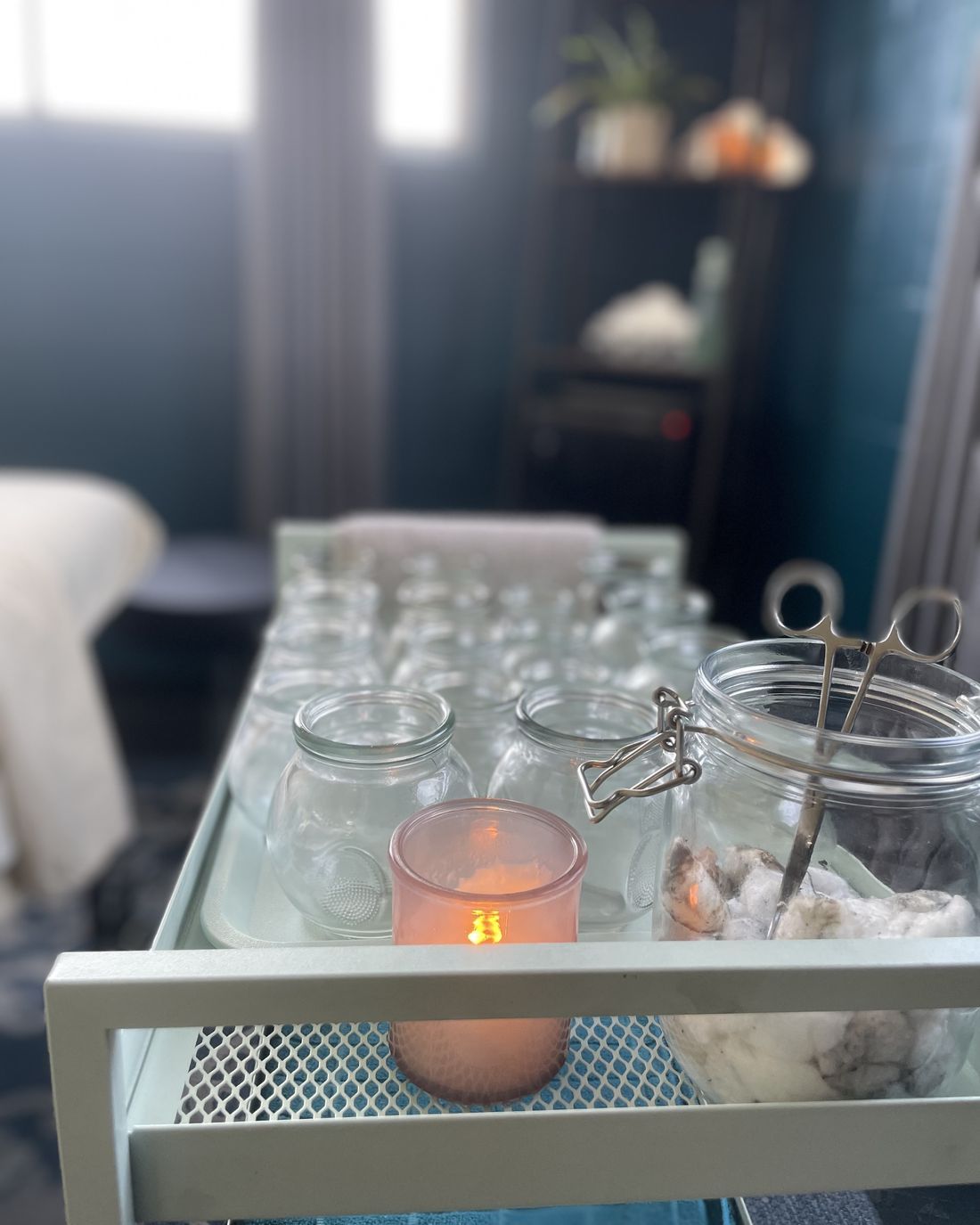
Is cupping worth trying?
That depends on what you want it to do. A quick way to decide:
- You have a diagnosed pain problem. Start with your doctor and the treatments with stronger evidence. That’s the order the authors of the 2026 placebo review recommend, with cupping coming after.5 If you add it, add it as an extra, not as the plan.
- You’re healthy and carry everyday tension from training, a desk or long shifts on your feet. The stakes are lower here. Trying cupping inside a massage you were already booking costs nothing extra, and you get to decide whether you like it.
- You want proof it will speed up recovery or performance. That proof doesn’t exist yet.6 Book it because it feels good to you, not because a study promised a result.
- You have a big event in the next two weeks. Wait. Cupping marks should fade in a week or two, so give yourself that buffer.2
Who should skip cupping?
Weak evidence doesn’t mean high risk. Cleveland Clinic calls the risks of cupping generally low,2 although marks are expected and NCCIH lists possible side effects including lasting skin discoloration, scars, burns and infections.1
How does cupping fit into a massage?
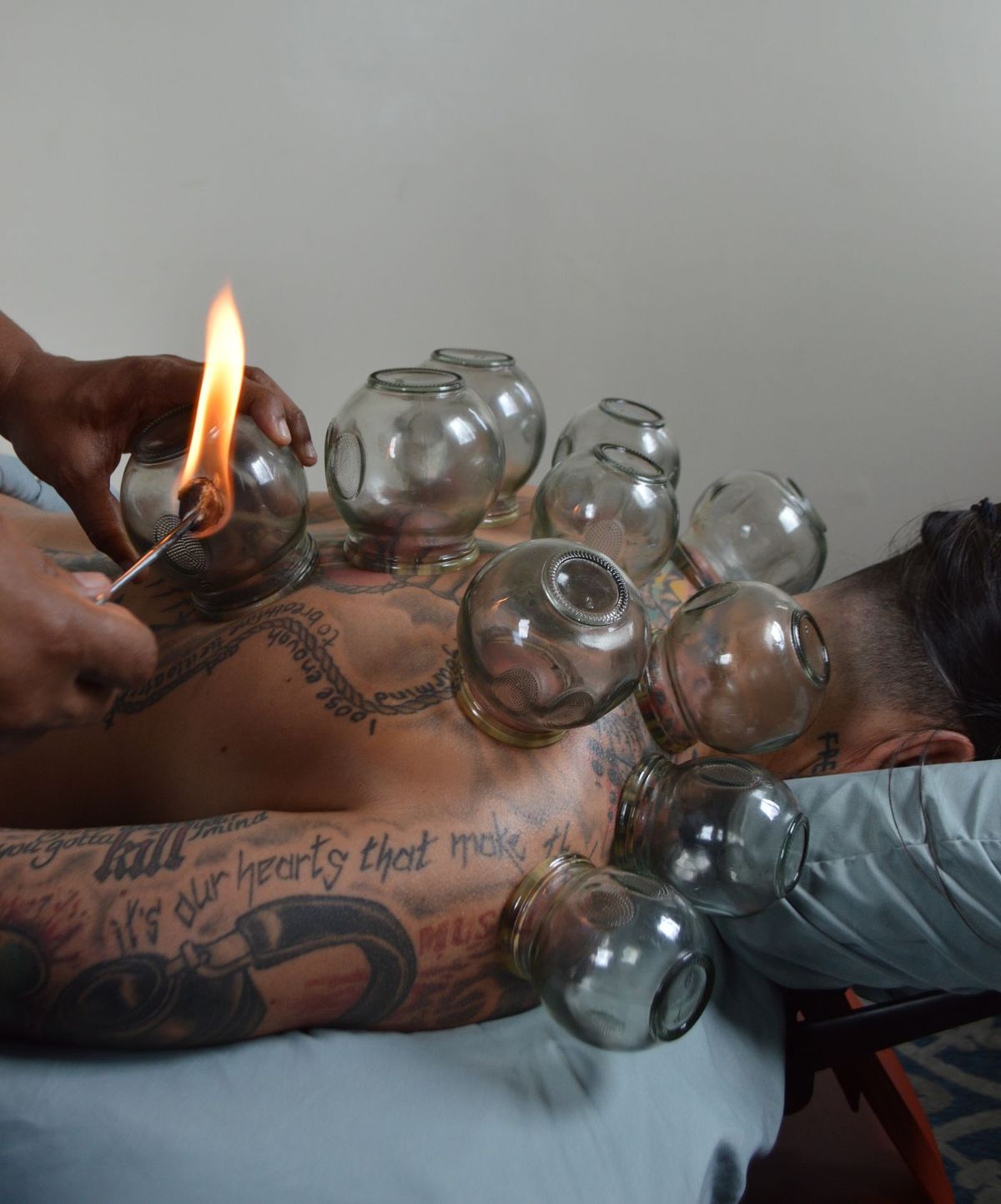
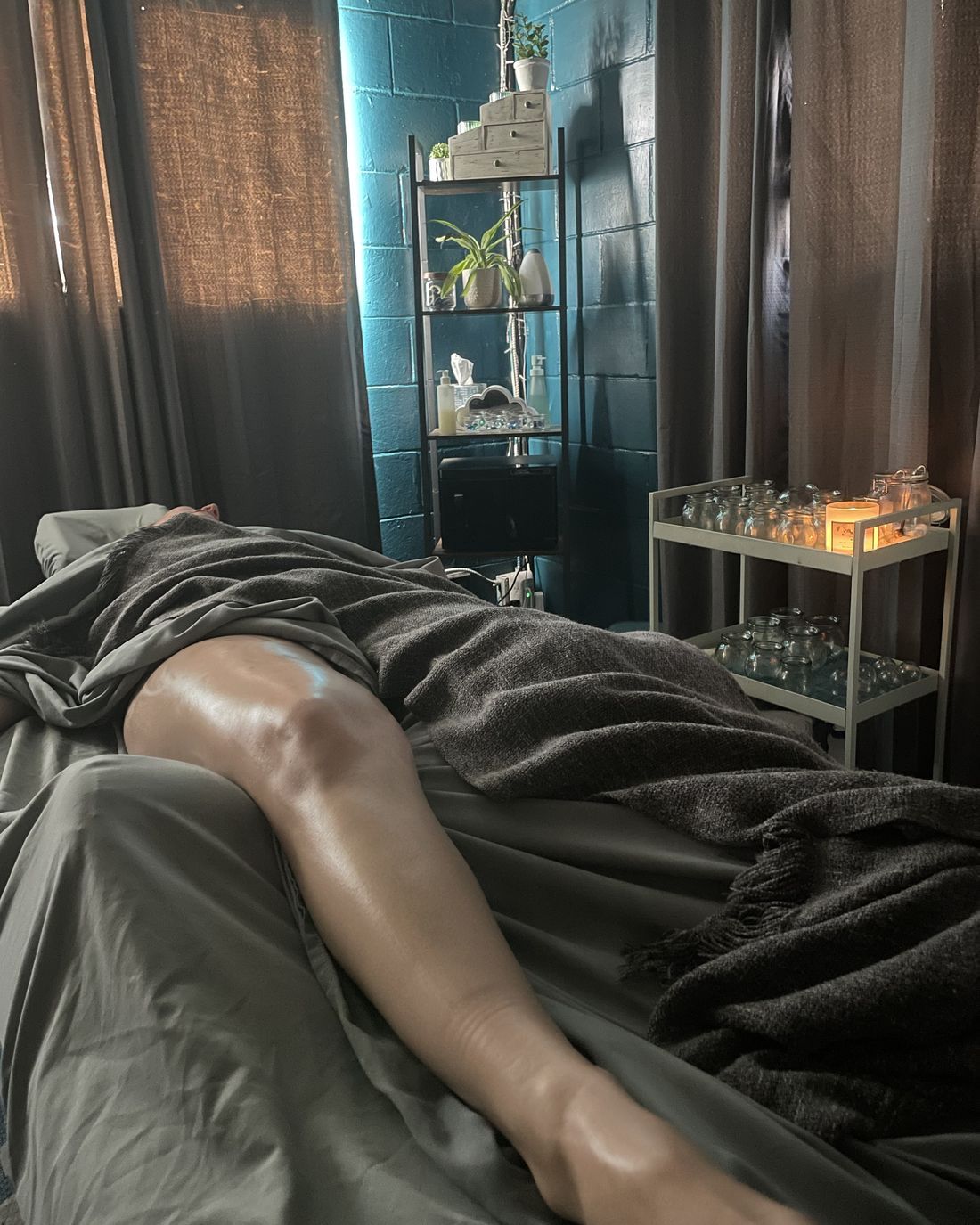
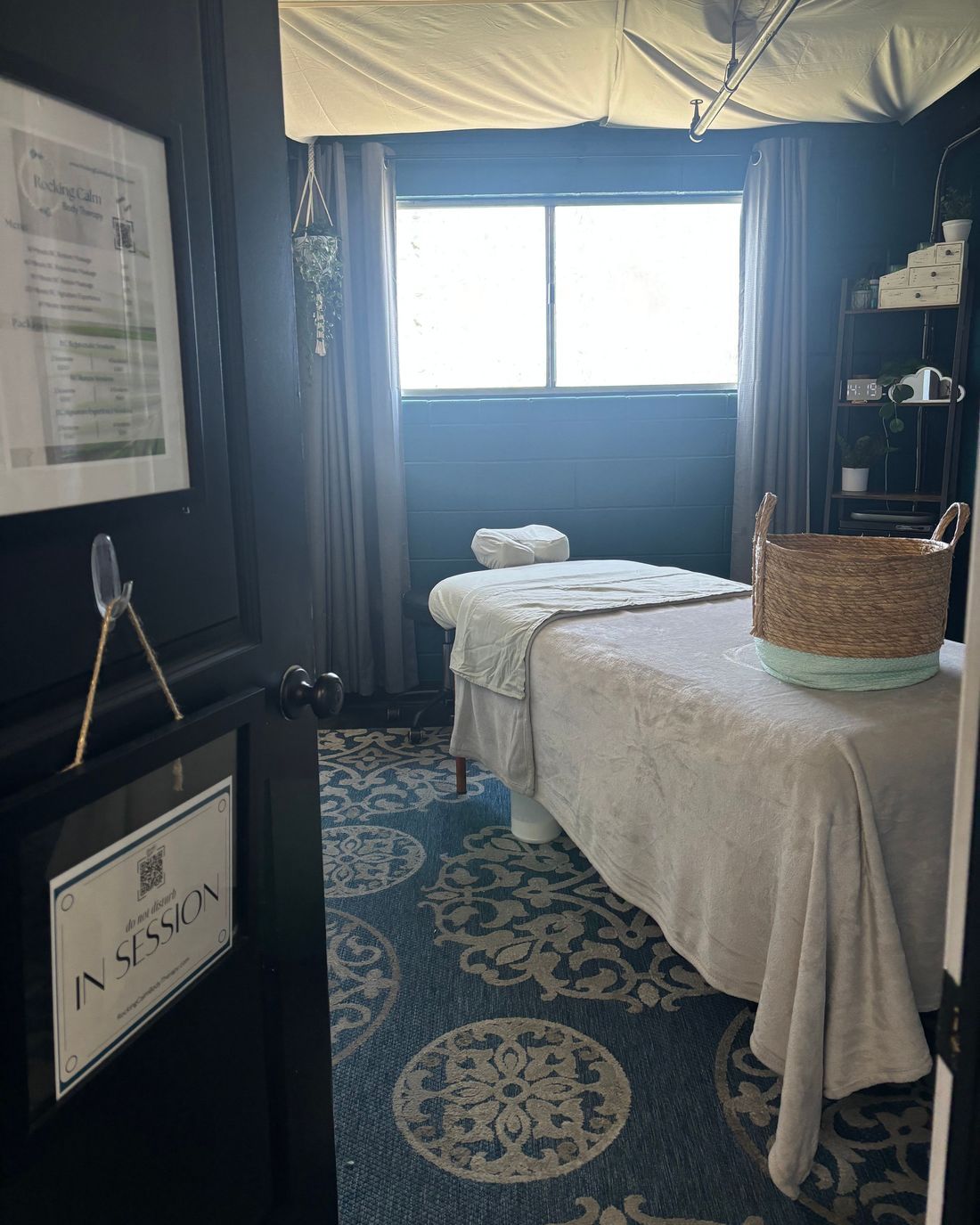
At Rocking Calm, cupping is one tool, not the whole plan. Fire cupping is included at no extra charge in every 60, 90 and 120-minute massage when it’ll help, along with muscle scraping, hot stones and assisted stretching. If you only want the cups, the 45-minute RC Cupping Therapy session is $95. Every option is on the pricing page.
That lines up with how medical sources frame cupping. Cleveland Clinic’s advice is to pair it with conventional medicine, not to lean on it alone,2 and the neck pain review’s add-on finding points the same way.3
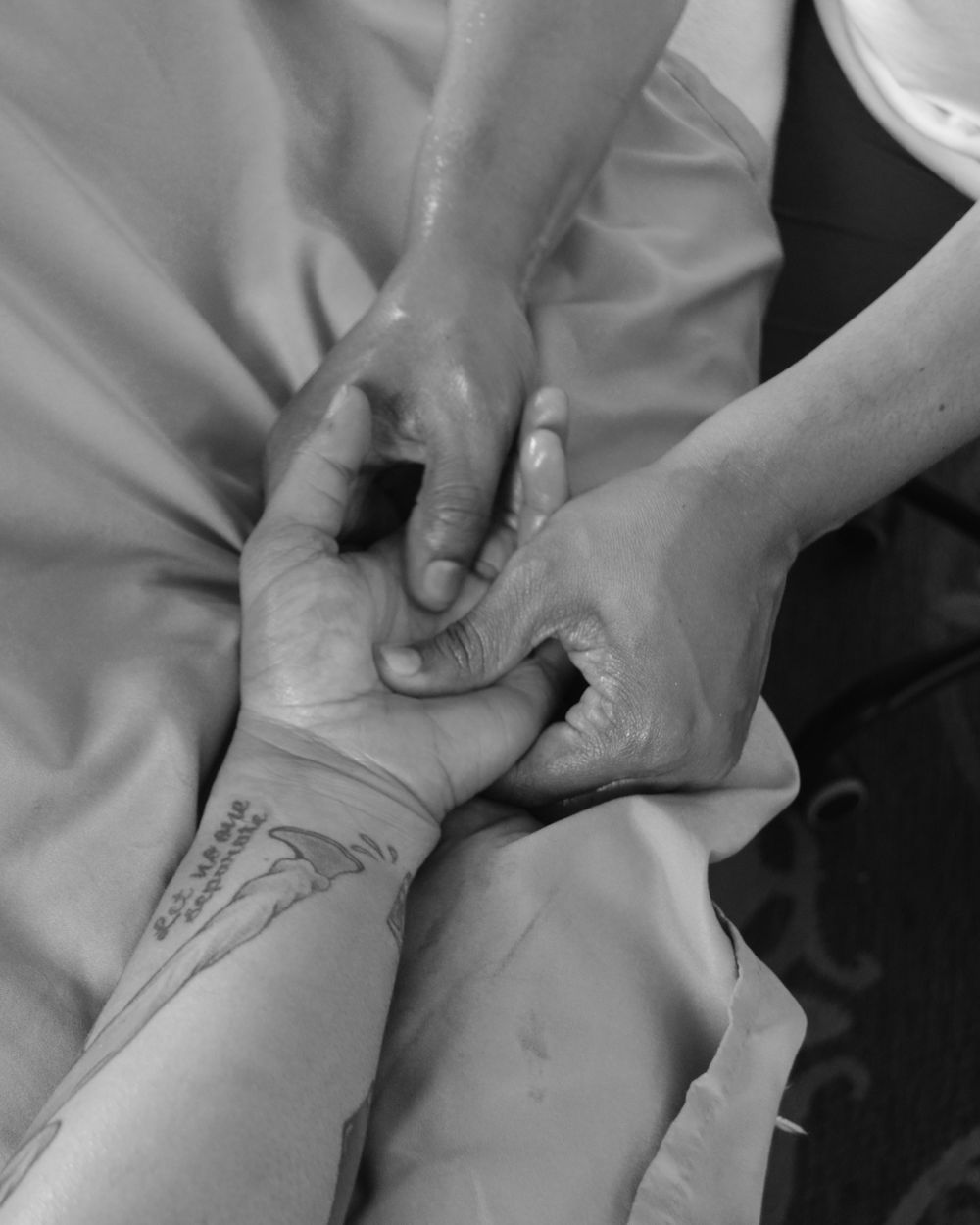
Every session is customized, so cupping might be part of your massage or not at all, depending on what your body needs. Nervous about the feel? Read what cupping feels like. Have a wedding or beach day coming up? Check how long cupping marks last first. And for how Nicole does fire cupping, see the fire cupping guide.
Try cupping inside a massageNew clients: your first 60 minutes is $85 with code INTRO85.
Cupping benefits questions
What are the main benefits of cupping?
Pain relief is the best-supported benefit, mainly for neck and low back pain, and even that evidence is rated low quality.3,4 People also report looser muscles and better range of motion, and one review found low-quality evidence for range of motion too.2,4
Is cupping scientifically proven?
Not in any strong sense. Reviews suggest it may reduce pain, but most of the research is low quality, and compared with placebo cupping the effect is very uncertain.1,5
Does cupping remove toxins?
We found no good research showing that it does. Some people believe it releases toxins, but the marks it leaves come from tiny blood vessels breaking under the skin.2
How long do the benefits of cupping last?
Nobody knows yet. Reviewers have called for trials with long-term follow-up, and in a 2026 review of placebo-controlled trials, the one trial that checked at six months found no clear difference between real and fake cupping.4,5
How many cupping sessions do you need?
There’s no proven number. Placebo-controlled trials used anywhere from one to eight sessions, and researchers haven’t worked out an ideal schedule.5
Is cupping good for athletes?
It might help with pain and range of motion, but the evidence is too weak to recommend it either way. A review of 11 trials in athletes found promising reports alongside an unclear or high risk of bias, and no trial reported on safety.6
Sources
- National Center for Complementary and Integrative Health (NIH). Cupping. Last updated November 2018.
- Cleveland Clinic. Cupping Therapy: Definition, Types & Benefits. Medically reviewed, last updated June 7, 2023.
- Kim S, Lee SH, Kim MR, et al. Is cupping therapy effective in patients with neck pain? A systematic review and meta-analysis. BMJ Open. 2018;8(11):e021070. Full text on PMC.
- Wood S, Fryer G, Tan LLF, Cleary C. Dry cupping for musculoskeletal pain and range of motion: a systematic review and meta-analysis. Journal of Bodywork and Movement Therapies. 2020;24(4):503-518. PubMed.
- Jenkins LC, Verhagen AP, Amorim M, et al. The efficacy of dry cupping compared to placebo cupping for people with musculoskeletal complaints: a systematic review with meta-analysis. JOSPT Open. 2026;4(1):23-35. PubMed.
- Bridgett R, Klose P, Duffield R, Mydock S, Lauche R. Effects of cupping therapy in amateur and professional athletes: systematic review of randomized controlled trials. Journal of Alternative and Complementary Medicine. 2018;24(3):208-219. PubMed.
This page is general information, not medical advice. Talk with your healthcare provider about whether a treatment is right for you.